Childhood Wounds & Attachment Trauma
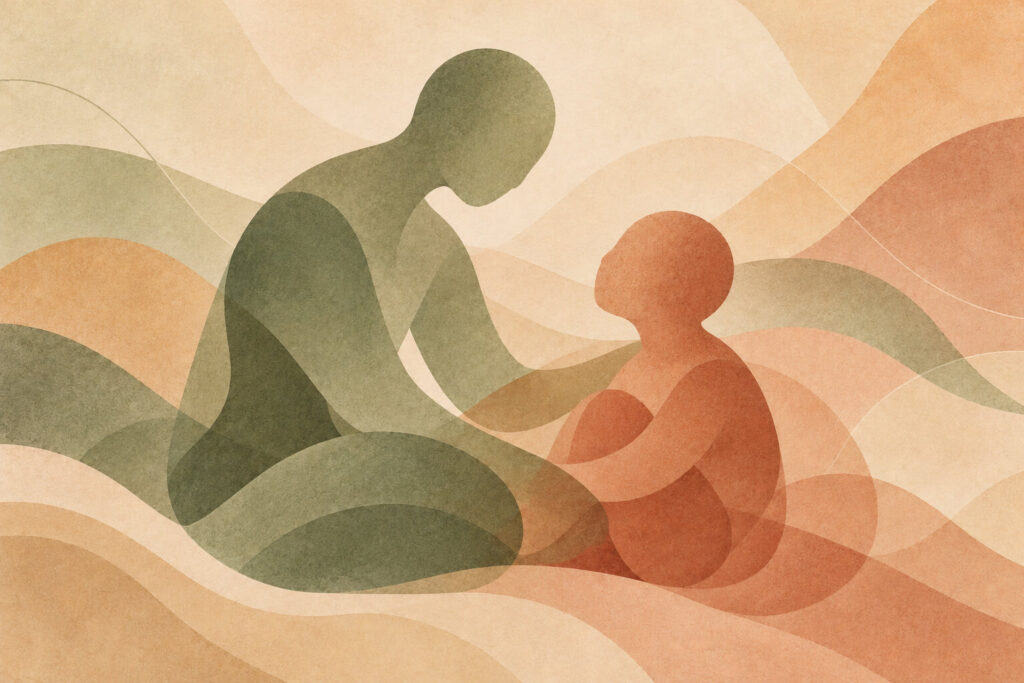
How Our Earliest Relationships Shape Us
Our earliest relationships help shape how we see ourselves, relate to others, and experience safety in the world. When those relationships are marked by criticism, emotional neglect, inconsistency, rejection, or a lack of emotional attunement, we may carry wounds into adulthood that we don’t fully recognize.
Not all childhood trauma involves obvious abuse or a single overwhelming event. Sometimes it’s what we didn’t receive—the comfort, protection, affirmation, or emotional connection we needed. We may have learned to minimize our needs, stay hyperaware of others’ emotions, strive for approval, or disconnect from our own feelings in order to maintain connection.
These adaptations often helped us navigate our early environments, but they can become painful patterns later in life.
Recognizing the Impact of Childhood Wounds
Unresolved childhood and attachment wounds can show up in many ways, including:
- Difficulty trusting others or feeling secure in relationships
- Fear of rejection, abandonment, or conflict
- People-pleasing, perfectionism, or harsh self-criticism
- Difficulty identifying or expressing emotions and needs
- Feeling responsible for other people’s feelings
- Anxiety, emotional overwhelm, or shutting down
- A persistent sense of not being good enough
- Longing for closeness while also fearing vulnerability
You may understand these patterns intellectually and still find yourself responding in ways that feel automatic or difficult to change. That’s because early relational experiences can shape not only our beliefs about ourselves but also the protective responses of our nervous system.
Healing Childhood Wounds and Attachment Trauma
Healing involves more than understanding what happened in the past. It also involves developing a different relationship with yourself and experiencing greater safety, connection, and choice in the present.
At Meridian Counseling Services, we approach childhood wounds with compassion and curiosity rather than judgment. We recognize that many of the behaviors people struggle with today began as creative ways of adapting to difficult circumstances.
Our therapists may incorporate EMDR, Internal Family Systems (IFS), attachment-focused therapy, somatic approaches, and polyvagal-informed therapy to help you process painful experiences, understand protective patterns, and develop new ways of relating to yourself and others.
Rather than pushing you to revisit painful memories before you’re ready, we work at a pace that supports emotional safety and respects your nervous system’s capacity.
Over time, healing can help you develop a more compassionate sense of self, establish healthier boundaries, experience greater emotional regulation, and build relationships that feel more secure and authentic.
You Don’t Have to Remain Defined by Your Past
We cannot change what happened in childhood, but we can change how those experiences continue to shape our lives. The patterns that once helped you survive do not have to determine how you experience yourself or your relationships today.
Meridian Counseling Services provides in-person counseling for childhood wounds and attachment trauma in Kent, WA., and throughout Washington State via telehealth.